LRF Bass Fishing Guide: How to Catch Sea Bass on Ultralight Gear
There is something seriously addictive about catching bass on ultralight gear. You are not overpowering fish with heavy tackle or launching huge lures into the distance. Everything feels more direct. Every bump, knock and aggressive hit travels through the rod, and even modest bass suddenly become brilliant fun.
That said, LRF bass fishing is not simply a case of casting tiny lures and hoping for the best. The anglers who consistently catch bass on ultralight gear are usually doing a few simple things well. They are covering water, reading conditions, paying attention to baitfish and presenting lures in places where bass are actually feeding.
In my experience, bass fishing on ultralight gear is much more active than many anglers expect. You are not waiting for fish to find you. You are searching for them. Some sessions feel slow and methodical. Others suddenly come alive with aggressive hits every few casts. When it all comes together, it is one of the most rewarding ways to fish.
Why Ultralight Fishing Works for Sea Bass
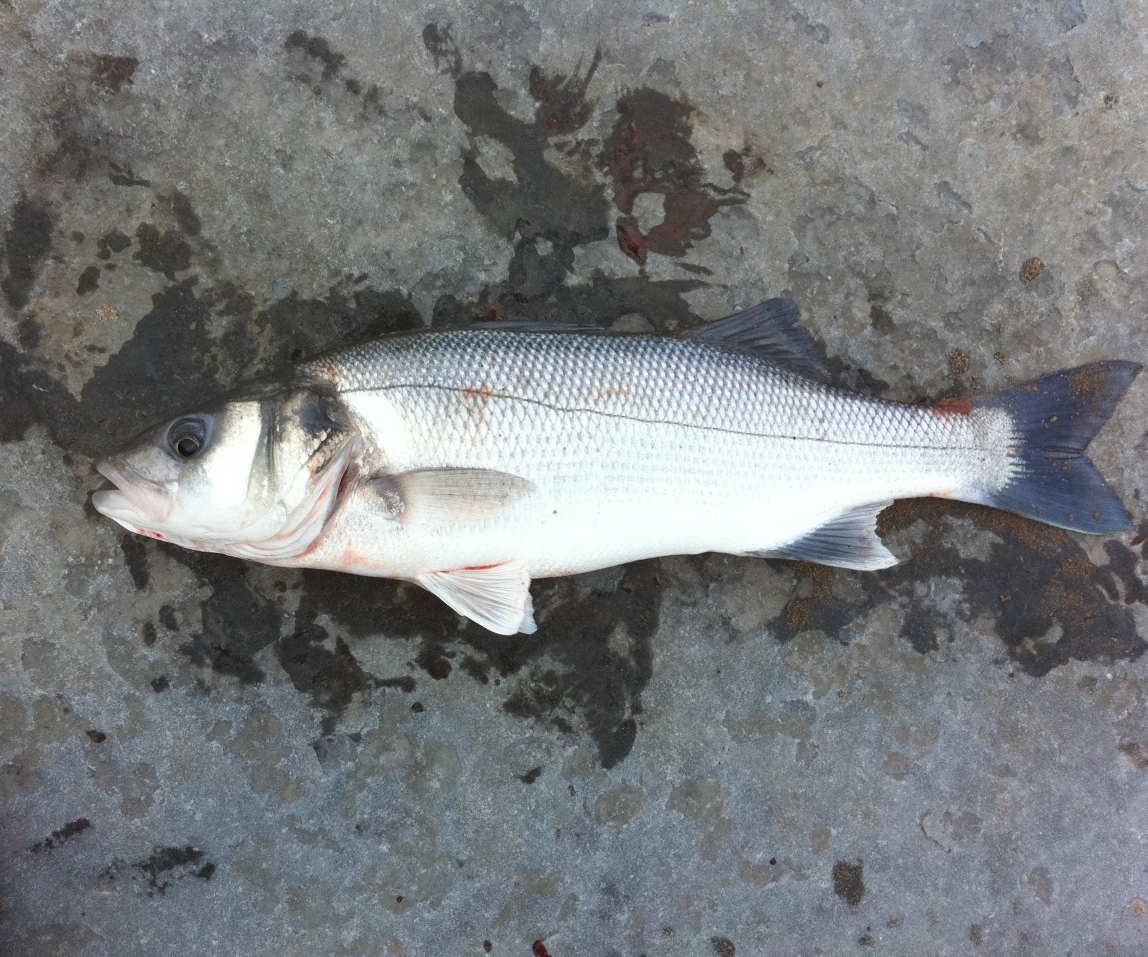
Big bass caught on Ultralight Gear
A lot of anglers still underestimate how effective ultralight fishing can be for bass. Yes, smaller school bass are common, but bigger fish are absolutely possible too. Bass spend a huge amount of time feeding on small prey such as fry, shrimp, crab, tiny baitfish and juvenile fish, which makes smaller lures surprisingly natural.
This is one of the reasons ultralight fishing works so well. Smaller soft plastics often closely match the size of prey bass are already feeding on, especially in harbours, estuaries and shallow inshore areas. The other major advantage is presentation. Lighter tackle allows slower retrieves, more natural lure movement and far greater finesse around structure where bass often hunt.
You also detect far more bites. On heavier gear, subtle takes can easily go unnoticed, while ultralight tackle makes even cautious taps obvious. Although it would not usually be my first choice if specifically targeting trophy bass, ultralight gear is incredibly effective for school bass and more than capable of handling much larger fish too.
Where to Find Bass on LRF Gear
One of the biggest lessons in bass fishing is understanding where the fish actually are. Bass are rarely sitting randomly in open water. Most bass use structure, tide movement and ambush points to feed efficiently, so learning to recognise these areas can dramatically improve results.
Rock Marks and Rough Ground
Rocky areas are always worth exploring. Look for gullies, channels, weed edges, broken ground and changes in depth. These areas naturally funnel baitfish and create ambush points for feeding bass.
In my experience, one of the biggest mistakes anglers make is casting straight out as far as possible without fishing the close water first. Bass often patrol surprisingly tight to rocks and margins, especially around structure. Before making long casts, work the water close in properly. You would be surprised how often fish are there right under your feet.
Harbours, Docks and Marinas
Harbours are some of the best places to catch bass on ultralight gear because they provide exactly what bass like, structure and food. Pontoons, harbour walls, shaded areas, mooring lines and corners all create feeding opportunities.
Short accurate casts are often far more effective than distance fishing here. Sometimes simply dropping a lure beside structure and slowly retrieving it is enough. Remember, bass will often sit tight to harbour features waiting for baitfish to drift past.
Estuaries and Moving Water
Bass love moving water, which is why estuaries can be so productive. Focus on current lines, deeper channels and areas where faster water meets slower water. These transition zones naturally concentrate baitfish and often become feeding areas for bass.
Incoming tides can push baitfish into shallower areas, while outgoing tides often concentrate fish around deeper channels and bottlenecks. If you learn to read tidal movement, you immediately put yourself in a better position.
How to Fish for Bass on Ultralight Gear
One of the best ways to improve your bass fishing is to fish methodically. Rather than making random casts and hoping fish turn up, try to properly cover the water in front of you.
A simple approach is what I call the fan approach. First cast, I’ll cast to the left, retrieve, then next cast, I’ll cast slightly to the right of my last cast. I’ll repeat this until I’ve covered all the water in front of me.
This stops you repeatedly fishing the same patch of water and helps you locate fish more efficiently.
Personally, once I have covered an area, I will often repeat it using a different retrieve speed or lure action. Sometimes fish want a steady retrieve. Other times they respond much better to pauses, slower movement or lift and drop retrieves. If there are still no signs of fish, I will usually switch lure for one final pass or simply move on.
This is something I learned over time. Bass fishing often becomes a game of finding active fish. If they are not there, standing in one spot rarely changes much. Mobility catches fish.
Best Lures for LRF Bass Fishing
Bass caught on white curly tail
If I had to recommend one reliable setup for ultralight bass fishing, it would be soft plastics on jig heads. Simple, effective and consistently productive.
Paddle tails and curly tails are usually my first choice because they create movement even at slower retrieve speeds. Bass can respond very differently depending on conditions, which is why experimenting matters. Sometimes a steady retrieve works best. Other times slowing things down or adding pauses suddenly produces bites.
One thing I noticed quickly while targeting bass is how many takes happen on the drop. You cast out, let the lure sink and suddenly the line twitches or tightens unexpectedly. Fish often hit as the lure naturally falls through the water column, especially with lift and drop retrieves. Because of that, I always stay focused during the descent rather than waiting for the retrieve to begin.
Best Colours for Sea Bass Lures
My Favourite Bass Lures
Lure colour can absolutely make a difference, although confidence matters too. If I had to carry one colour for bass, it would probably be white. White soft plastics imitate a huge range of baitfish and remain viable in all conditions. Over the years, white has consistently been one of my most reliable colours for bass.
That said, I always carry options because bass can become surprisingly selective. My usual approach is to carry a white lure as a confidence lure, something brighter for brighter conditions or dirtier water, a natural baitfish pattern for cautious fish and a darker lure for overcast days or night fishing where silhouette becomes more important.
Sometimes changing colour completely transforms a session. If bites suddenly stop or fish seem hesitant, a simple colour switch can make all the difference.
Using Cheb Rigs for Bass Fishing
Cheb Rig
Although jig heads are my standard setup, cheb rigs can be incredibly effective for bass too. Cheburashka rigs give soft plastics more freedom of movement, creating a slightly more natural action.
They work particularly well for bottom hopping, lift and drop retrieves and slower presentations close to structure. In my experience, cheb rigs can sometimes trigger bites when fish seem hesitant towards standard jig heads. That little bit of extra movement can make all the difference during tougher sessions.
Artificial Worms for Difficult Fish
Verms Artificial Sandworm
Artificial worms are seriously underrated for bass. When fish become cautious or stop committing to standard soft plastics, worm style baits can be incredibly effective.
I usually fish them on either a jig head or cheb rig with a very slow retrieve along the bottom. Slow really matters here. Rather than aggressively working the lure, allow it to move naturally and steadily. This approach can be deadly when bass are feeding less aggressively or conditions become difficult.
Using Metals as a Situational Tool
7g Ultralight Metal
Ultralight metals absolutely have their place in bass fishing, although for me they are more of a situational lure than something I constantly rely on. Their biggest advantage is casting distance.
If birds suddenly start diving at baitfish outside your normal casting range, metals allow you to reach the feeding fish. Outside of those situations, I generally find soft plastics more consistent overall on ultralight gear, but that said, metals are a lot of fun to use and experimenting is what ultralight fishing is all about.
Are Hard Lures Good for LRF Bass Fishing?
Hard lures can be brilliant fun for bass and definitely deserve a place in the tackle bag. Small shallow divers and floating lures can work extremely well, especially when school bass are actively feeding.
There are sessions where fish seem willing to hit almost anything every cast, and watching bass smash a hard lure near the surface never gets old. Personally, I still find soft plastics more reliable overall on ultralight gear, but hard lures are great fun and can be surprisingly effective under the right conditions.
Reading the Water and Finding Feeding Fish
Learning to spot feeding activity can massively improve your catch rate because bass often give themselves away if you pay attention.
One of the biggest signs is birds diving on baitfish. If seabirds suddenly start diving in one area, it is usually worth investigating quickly. Surface disturbance, baitfish scattering and sudden movement can all suggest predators are feeding nearby.
Sometimes the clues are obvious. Other times they are subtle. Either way, paying attention to what is happening around you is one of the best habits you can build as a bass angler.
Best Conditions for LRF Bass Fishing
Moving water is often one of the biggest triggers for bass activity. Tidal movement generally means feeding opportunities.
Many anglers find incoming tides productive because baitfish move into shallower areas, while outgoing tides can concentrate fish around channels and pinch points. Early mornings, evenings, overcast days and night sessions are often particularly productive, although bass can still feed hard during bright daytime conditions when baitfish are present.
Conditions matter, but I have learned not to overcomplicate things. If the water looks good and signs of bait are present, it is usually worth giving it a go.
Simple Ultralight Bass Setup
You do not need expensive or overly complicated gear to catch bass on ultralight tackle. A balanced setup is usually more than enough.
My basic setup tends to include an ultralight or light lure rod, a smooth reel with a reliable drag, thin braid for sensitivity and a fluorocarbon leader for abrasion resistance around rocks and structure. I usually fish jig heads between 1g and 5g depending on conditions and tend to favour soft plastics around 2 to 3 inches.
One thing I would always recommend is carrying a landing net, especially around rocks, harbour walls and higher ground. Bass have a habit of showing up in places where actually landing them is awkward.
Just remember, simple setups work best, location, presentation and reading the water matter far more than expensive gear.
Final Thoughts
Ultralight bass fishing is not always the easiest way to target sea bass, and if I was specifically chasing trophy fish there are probably methods I would choose first.
But for enjoyment, excitement and pure fun, it is hard to beat. You’re light, mobile and feel like you’re a hunter stalking the water, constantly scanning for signs, rather than being nailed down in one spot the whole season.
Some sessions feel impossible. Others suddenly explode into life with constant aggressive hits and a bass every cast. That unpredictability is part of the appeal.
If there is one thing I have learned over the years, it is this. Keep moving, cover water properly and pay attention to what is happening around you. When you find feeding bass on ultralight gear, you will know about it.