Best Scented Artificial Baits for Ultralight Fishing
Why Scented Artificial Baits Are Taking Over Ultralight Fishing
Scented artificial baits have become one of the biggest parts of modern ultralight fishing. Whether you fish freshwater canals for perch or saltwater harbours for wrasse and gobies, scented soft baits consistently catch fish when other lures struggle.
That is one reason they have exploded in popularity within both the ultralight and LRF scenes.
Years ago, many anglers still saw scented soft baits as gimmicks or “cheating” compared to traditional lure fishing. Now they are firmly established as one of the most effective finesse fishing tools available.
And honestly, once you start using them properly, it becomes obvious why.
They catch almost everything.
Perch, wrasse, gobies, pollock, trout, bass, blennies, flounder and even tiny species will happily hit scented artificial baits. Some days it feels like if a fish can physically fit the lure in its mouth, it is going to have a go at it.
They work in freshwater and saltwater because they trigger the same natural feeding instincts fish rely on everywhere.
Small prey is small prey.
What Are Scented Artificial Baits?
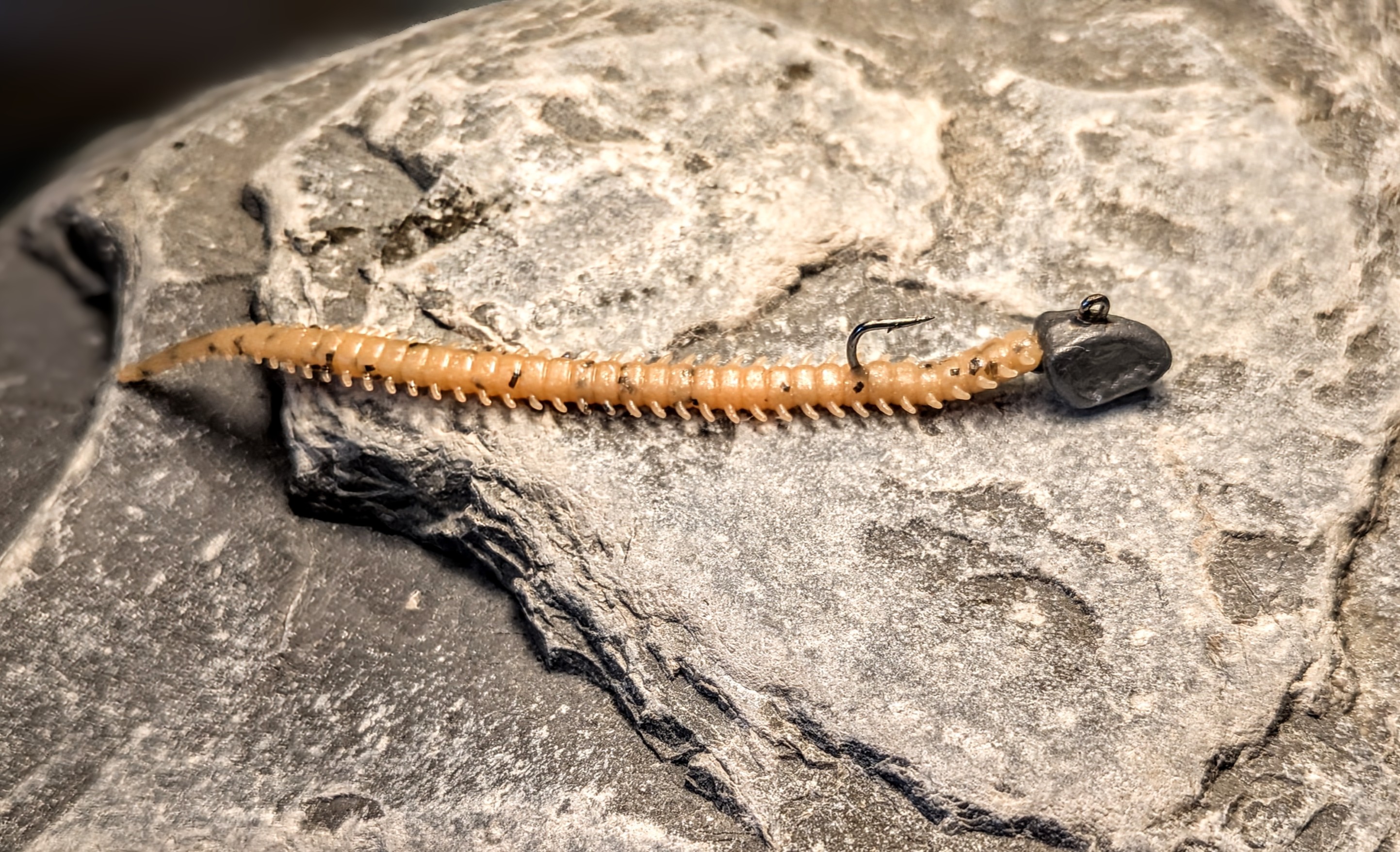
Sandworm Artificial Bait
Scented artificial baits are soft lures infused with attractants designed to imitate natural prey underwater.
Unlike standard soft plastics that mainly rely on movement and appearance, scented baits combine:
Action
Texture
Taste
Scent
Chemical feeding triggers
This gives fish multiple reasons to commit to the lure.
Many ultralight species feed cautiously, especially in clear water or pressured venues. A scented bait encourages fish to be tempted by the lure longer instead of instantly rejecting it.
That extra second matters massively when fishing tiny hooks and lightweight tackle.
Most scented artificial baits imitate:
Worms
Tiny baitfish
Fry
Crustaceans
Marine creatures
The biggest difference compared to standard soft plastics is realism. Good scented baits feel softer, move naturally in the water and release attractants continuously while fishing.
That combination can completely change difficult sessions and mean beating the blank.
Every ultralight angler eventually has one of those days where fish ignore everything else, then suddenly start smashing a tiny scented worm dragged slowly along the bottom.
Once that happens, you start carrying them everywhere.
I don’t normally start a session with artificial baits, but when nothing else is working that’s when they come out.
Why Scented Artificial Baits Work So Well
There is actual science behind why scented artificial baits work.
Fish rely heavily on smell and taste to locate food. Natural prey releases amino acids and organic compounds into the water, especially when injured or disturbed. Fish evolved to recognise these chemical signals as feeding opportunities.
Modern scented baits attempt to imitate this process.
Many scented soft plastics slowly release water-soluble attractants into the surrounding water, creating a scent trail fish can actively track. Combined with soft texture and subtle movement, the lure feels far more natural than ordinary plastics.
This is one reason scented baits work incredibly well even when barely moving, as sometimes fish are reacting more to scent and texture than aggressive lure action.
Cold water conditions make this even more noticeable. Fish become less willing to chase fast-moving prey during winter, but a scented worm worked slowly near the bottom looks like an easy meal worth investigating.
That is why scented baits can be unbelievably effective during difficult sessions.
The soft texture matters too.
Many scented lures are intentionally designed to feel natural when fish bite them. Ordinary hard plastics often get spat out immediately once the fish realises something feels wrong. Scented baits usually get held for longer, which massively improves hook-up rates on ultralight tackle.
Sometimes you barely even feel the bite. The line just tightens slightly or starts moving sideways and suddenly there is a wrasse or perch nodding away on the other end.
Freshwater and Saltwater Fishing
One of the best things about scented artificial baits is how well they crossover between freshwater and saltwater fishing.
The same lure that catches perch in a canal can often catch wrasse or gobies in the sea with almost no changes to the setup.
That versatility makes them perfect for ultralight anglers fishing a mix of venues around the world, all year round.
Freshwater species
Perch
Trout
Zander
Chub
Small pike
Saltwater species
Wrasse
Gobies
Pollock
Bass
Blennies
Flatfish
Scorpion fish
The principles stay exactly the same:
Fish slowly, stay close to structure and focus on natural presentation.
Most of the time the fish are feeding right under your feet anyway, especially around harbour walls, rocks and marina structures.
How to Fish Scented Artificial Baits
Eco Gear Aqua Shirasu
Scented artificial baits can be fished on almost any ultralight setup, but slower presentations usually work best.
Light jigheads are perfect for covering water and fishing around structure, while dropshot rigs excel when fish are holding tight to harbour walls, canals or rocky ground.
Split shot rigs and Cheb rigs give scented soft baits more natural movement, especially when fishing slowly across the bottom.
One of the biggest mistakes anglers make is fishing scented baits too aggressively. Slow drags along the bottom, tiny twitches and long pauses usually outperform fast retrieves.
Sometimes the best retrieve is barely retrieving at all.
Dead-sticking scented worms beside structure can be absolutely deadly.
Marukyu Isome
Marukyu Isome
Marukyu Isome worms are probably the best-known scented artificial baits in ultralight fishing.
Isome are one of the things I always have with me because of their versatility and ability to catch almost anything. I find them particularly useful when targeting micro species.
These soft worm imitations are famous for catching huge numbers of fish species in both freshwater and saltwater. The texture is extremely supple, the scent is strong and the subtle movement works brilliantly on lightweight rigs.
They are especially effective on jigheads, dropshot rigs and split shot setups where the lure can move naturally near the bottom.
Pink, white and brown remain some of the most popular colours among ultralight anglers.
Berkley Gulp
Berkley Gulp has become almost legendary within finesse fishing circles.
The range includes sandworms, angleworms, fish fry imitations and scented minnows designed for both freshwater and saltwater species.
One of the biggest strengths of Gulp baits is scent dispersion. They release a strong scent trail into the water, helping fish locate the lure even in murky conditions.
Gulp works especially well when fish are feeding slowly or hugging the bottom.
Ecogear Aqua
Ecogear Aqua lures are hugely respected within the LRF scene, particularly among anglers targeting species around rock marks and harbours.
These scented soft baits are known for their natural texture and subtle movement underwater. Species like wrasse, gobies and perch often hold onto them surprisingly confidently once they bite.
The Shirasu range in particular developed a strong reputation for species fishing because of its small profile and natural presentation.
Vermz
Vermz soft baits have become increasingly popular with anglers looking for scented worm imitations and finesse-style soft plastics.
They work especially well when fished slowly across the bottom or around structure where fish naturally hunt for worms and tiny crustaceans.
These are one of my favourite baits when targeting bass and have landed a huge number of fish over the years.
Like most scented lures, they perform best when anglers slow down and focus on subtle movement rather than aggressive retrieves.
Savage Gear
Savage Gear have also produced several scented lure ranges aimed at finesse and predator anglers.
Although often marketed toward perch, pike and zander fishing, many smaller Savage Gear soft plastics work extremely well on ultralight tackle for both freshwater and sea species.
Micro paddle tails and scented minnows are particularly effective when fish are actively feeding on fry.
Why Ultralight Anglers Love Scented Baits
Scented artificial baits fit ultralight fishing perfectly because they combine finesse with versatility.
You can carry dozens of lure profiles in a small pouch without needing buckets of bait or complicated gear. They work in freshwater and saltwater, target huge numbers of species.
They also build confidence quickly and are perfect for beginners.
Once anglers start catching fish consistently on scented baits, they naturally slow down, focus more on presentation and pay closer attention to underwater structure and subtle bites.
That is often when ultralight fishing becomes properly addictive.
Final Thoughts
Scented artificial baits have earned their reputation within modern ultralight fishing.
Whether you prefer Isome worms, Berkley Gulp, Ecogear Aqua, Vermz or other scented soft plastics, these lures consistently produce fish across both freshwater and saltwater venues.
The combination of scent, texture, movement and chemical feeding triggers makes them incredibly effective, especially during difficult conditions when fish become cautious.
The key is keeping things simple.
Fish slowly, focus on natural presentation and trust the lure to do the work.
Most anglers who start experimenting with scented artificial baits end up carrying them everywhere they fish for one very simple reason: