Paddle Tail Lures: How to Use Them, When They Work, and Why Fish Love Them
How to Fish Paddle Tail Lures
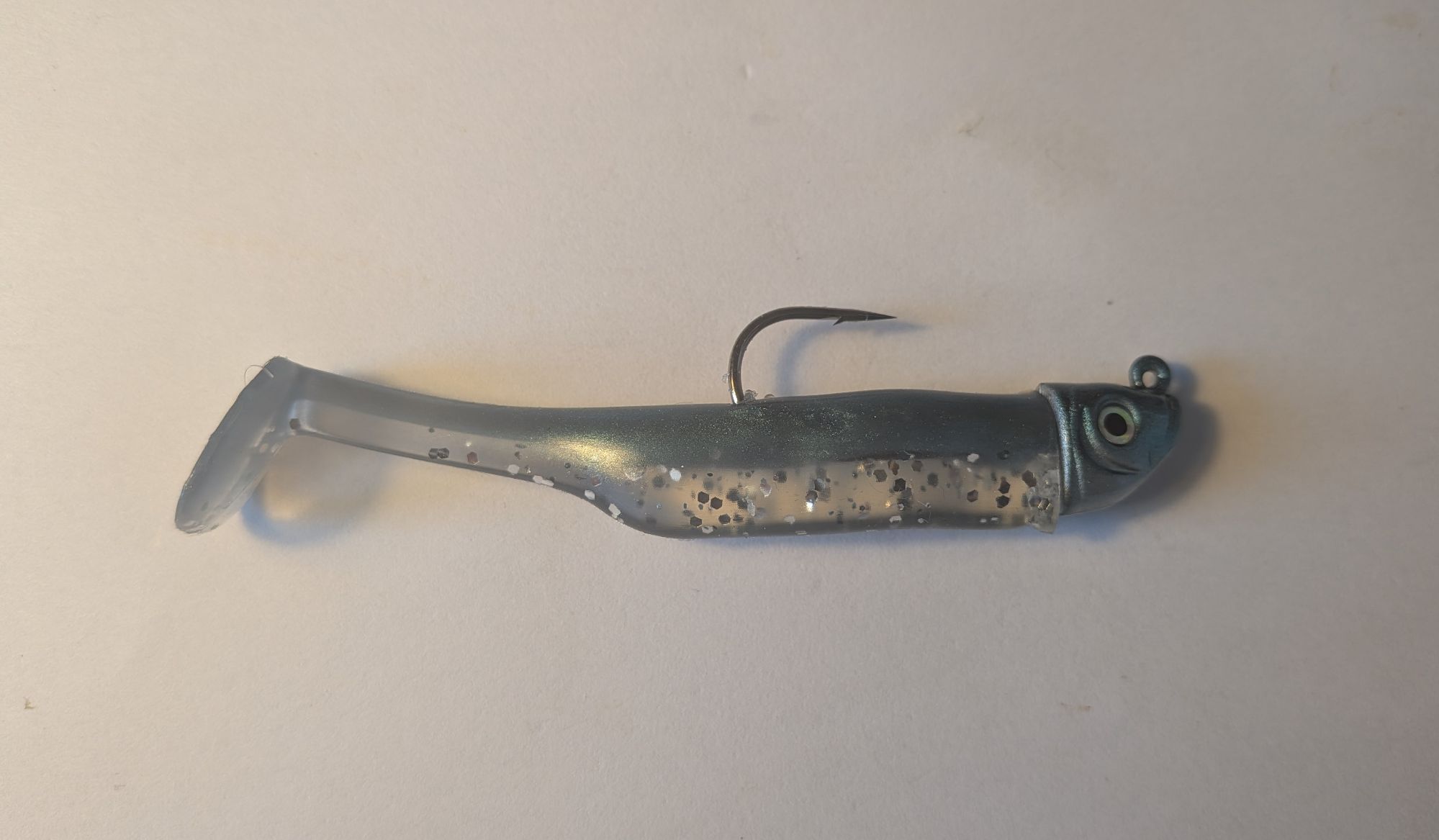
Paddle tail lures are soft plastic lures built around one simple idea, a tail that kicks and pushes water. That movement creates vibration that fish pick up through their lateral line, which is why they’re so effective for covering water and finding fish quickly.
In ultralight fishing, they’re easy to fish, but after this guide you’ll see they’re much more than just a wack out and retrieve lure. The way you work them completely changes how they behave underwater and that’s where they start to become genuinely versatile.
How Do Paddle Tail Lures Work?
A paddle tail lure works by creating vibration.
Every time the tail kicks, it pushes water. That movement sends out a signal that fish can feel through their lateral line, often before they ever see the lure. That’s why paddle tails are so effective in coloured or rough water.
To a fish, it doesn’t feel like plastic. It feels like movement, something alive, something worth investigating.
That signal can be clean and steady, or broken and irregular depending on how you retrieve it. A smooth retrieve gives off a consistent swimming pattern. Add pauses or twitches, and suddenly that same lure looks and feels like a struggling and injured fish.
The lure itself doesn’t change but what it represents in the water does.
Paddle Tails Aren’t Just “Cast and Retrieve”
A paddle tail looks simple. Soft plastic body, flat tail, wack it out and wind it back in.
It works and will catch fish. But it’s also where most anglers stop.
In reality a paddle tail is more than just a blind retrieve lure. It reacts to everything from setup to what you do at the rod tip. Speed, rhythm, depth, pauses, rig choice, all of it changes how that lure behaves.
Same bit of plastic. Completely different results.
That’s the part most people miss. It doesn’t have one action, it has a range of behaviours that we as anglers can influence.
Best Retrieve for Paddle Tail Lures
Admittedly most fish on paddle tails come from a steady retrieve.
Just enough speed to keep the tail kicking and the lure moving cleanly through the water. No sharp movements, no overworking just a consistent thump.
It works because it’s easy for fish to track. So when the fish are active, they don’t need convincing. They just need something to react to.
But when that stops working, that’s when you adjust.
A stop-start retrieve breaks the rhythm and makes the lure look unsure and lost. Small twitches add direction change, urgency, and confusion. A lift-and-drop adds a completely different trigger, the fall.
Often, the bite doesn’t come on the retrieve. It comes on the change. The moment the lure appears injured, disoriented, and vulnerable, signals an ideal time for a fish to strike.
If you’re unsure where to start, a slow steady retrieve is always the most reliable baseline then experiment from there.
When to Use Paddle Tail Lures
Paddle tails are at their best when fish are actively hunting for their next meal.
If fish are chasing bait or feeding, that steady vibration matches exactly what they’re looking for. It’s easy to find, easy to follow, and easy to hit.
They’re also strong in low visibility. Coloured water or current all reduce how much fish rely on sight. In those conditions, vibration becomes more important and paddle tails stand out not just visually, but through vibration.
They’re one of the best tools for finding fish quickly. If you don’t know where the fish are, a paddle tail lets you search water efficiently while still giving off a clear consistent signal.
When Paddle Tails Don’t Work (And Why)
Paddle tails don’t really “stop working”, they just stop matching the situation.
In cold water, fish often sit still and conserve energy. They’re not chasing, so a constant swimming lure can be too much. When a fish perceives it as too much effort, it becomes easy to ignore in favour of an easier target.
In very clear and calm water, fish have time to investigate. A repetitive, predictable movement can lose its appeal because it doesn’t feel natural enough.
In both cases, it’s often not the lure failing. It’s the behaviour not matching what fish want in that moment.
As an angler you can change how you’re presenting the paddle tail by experimenting with different techniques.
Changing Behaviour Without Changing Lures
This is where paddle tails become properly useful.
A steady retrieve gives you a clean swimming baitfish. Add pauses, and it turns into something unsure. Add twitches, and it becomes something trying to escape.
Lift and drop it, and now it’s rising and falling, with the fall often being the trigger point.
Let it hit bottom, and suddenly it’s not swimming at all. It’s injured, hopping, sitting, reacting to the ground.
Same lure. Completely different behaviour.
Once you understand that, you stop switching lures constantly and start adjusting what you already have tied on.
Best Rig for Paddle Tail Lures
How you rig a paddle tail controls how it behaves.
A jig head gives you the most control.. It keeps the lure running straight and consistent, which makes it ideal for covering water and fishing a steady retrieve.
A cheb rig adds movement. The lure has more freedom to swing and react, which can make a difference when fish are following but not committing.
A dropshot changes things completely. Instead of moving through the water, the lure stays in place and works within a small area. That’s useful when fish are there but not chasing.
Same lure but different presentation depending on how it’s rigged.
Paddle Tail Lure Size: What It Actually Means
In ultralight fishing, size isn’t really about catching bigger fish.
It’s about how strong a signal you’re putting into the water.
Smaller paddle tails create a softer, more subtle vibration. That suits clear water or cautious fish. Larger ones push more water and stand out more, which helps when you need to be putting out a bigger and more obvious signal.
It’s about matching the conditions you’re fishing in.
Where Paddle Tails Fit in Ultralight Fishing
Paddle tails sit right in the middle.
They’re not as subtle as finesse lures, but they’re not purely aggressive either. They’re a search and response tool, something you use to find fish, read what’s going in, and adjust from there.
That’s why they’re so useful. They give you feedback.
If fish hit a steady retrieve, you know they’re active. If they only bite on the drop, you know they’re reacting to vulnerability. If they ignore it completely, it tells you something needs changing.
Do Paddle Tail Lures Work in All Conditions?
Paddle tails work in most situations, but how effective they are depends on how they’re used.
In active conditions, a steady retrieve is often enough. In slower conditions, they need to be fished more carefully, with less movement and more pauses. In very clear or pressured water, reducing speed and keeping the lure subtle can make a noticeable difference.
FAQ – Paddle Tail Lures for Ultralight Fishing
What are paddle tail lures used for?
Paddle tail lures are used to imitate small baitfish by creating vibration through a kicking tail. They’re mainly used for covering water, finding active fish, and triggering reaction bites in both clear and coloured conditions.
How do you fish a paddle tail lure?
The most common way is a steady retrieve just fast enough to keep the tail kicking. From there, you can slow it down, add pauses, or use lift-and-drop retrieves depending on how the fish are responding.
What is the best retrieve for paddle tail lures?
A slow, steady retrieve is usually the most reliable starting point. It keeps the lure swimming naturally and makes it easy for fish to track. If that doesn’t work, changing rhythm with stops or twitches often triggers bites.
Do paddle tail lures work in clear water?
Yes, but they usually need a more subtle approach. In clear water, fish have more time to inspect the lure, so slower retrieves and reduced movement often work better than a fast, constant swim.
Do paddle tail lures work in cold water?
They can, but they often need to be fished slower. In cold conditions, fish are less likely to chase, so reducing speed and adding pauses can make the lure more effective.
What size paddle tail lure should I use?
Smaller paddle tails create a more subtle vibration and are better for clear water or pressured fish. Larger ones push more water and are better for murky water, wind, or active feeding fish.
What is the best rig for paddle tail lures?
Jig heads are the most common because they give a consistent swimming action. Cheb rigs add more movement and freedom, while dropshot rigs keep the lure in place and are useful when fish are not actively chasing.
Why are paddle tail lures so effective?
They work because they create strong vibration that fish can detect through their lateral line. This allows them to be effective even when visibility is poor, and they can imitate both active and struggling baitfish depending on how they are worked.
Final Thought
A paddle tail isn’t complicated, but it isn’t simple either.
It’s a lure that changes depending on how you use it. Movement, depth, rigging, and timing all shape what it becomes in the water.
Once you stop thinking of it as “cast and retrieve” and start seeing it as something you control, it becomes one of the most reliable tools in ultralight fishing.
Because at that point, you’re not just fishing the lure.
You’re shaping the behaviour fish are reacting to.