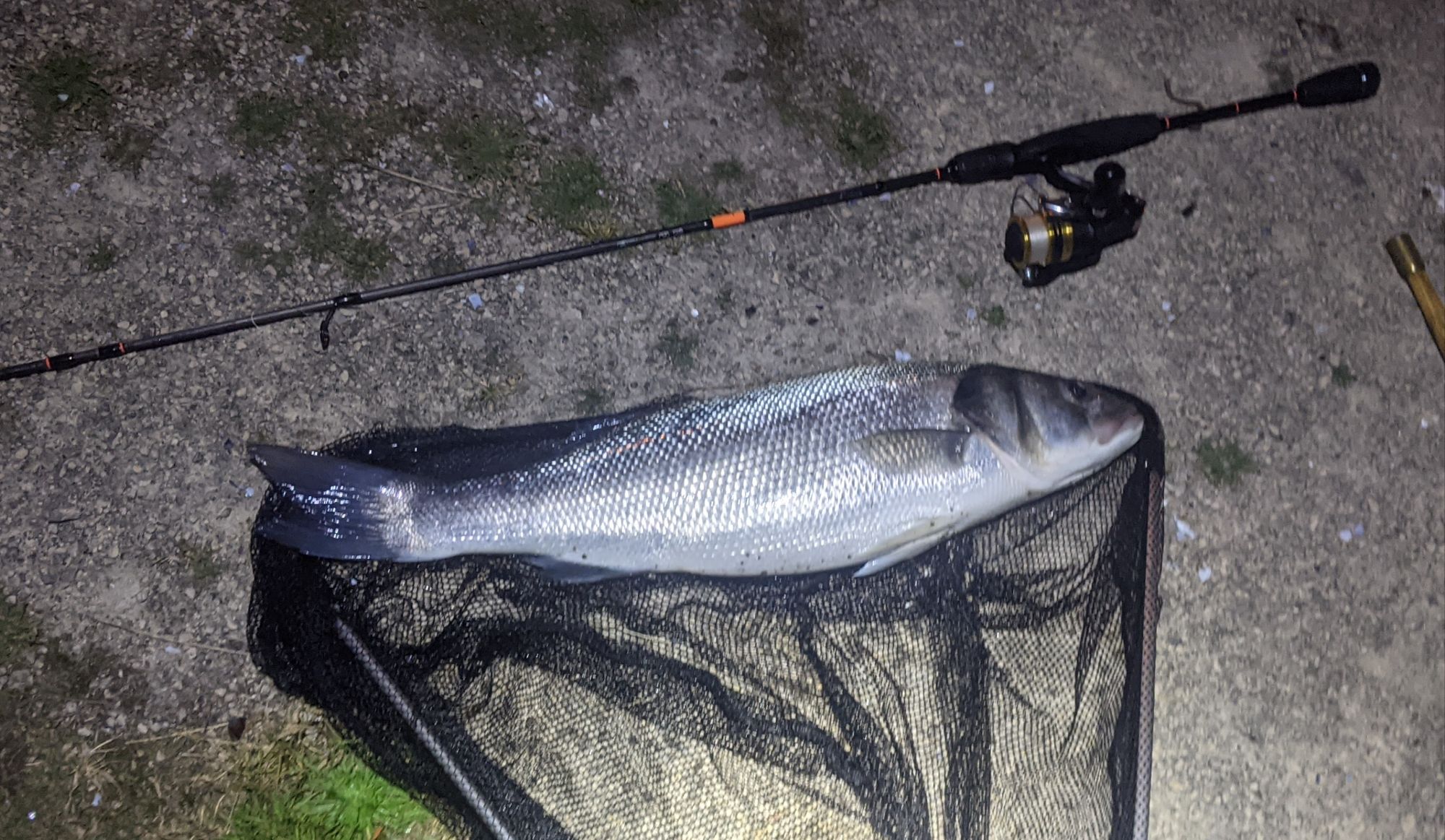
Ultralight Fishing Beginner Guide Simple Setup Big Results
This guide covers the setup, tackle, and simple techniques you need to start catching fish with ultralight gear.
This style is built around a simple setup, light tackle, and learning how fish respond to small, natural presentations.
Once you’re on the water, you’ll quickly realise it’s less about theory and more about observation, timing, and keeping things simple.
What You’ll Learn in This Guide
Basic ultralight fishing setup
Essential tackle and lures
Simple fishing techniques that actually work
Where to fish for the best results
What to expect on your first session
The Beginner Setup
You don’t need anything complicated to start ultralight fishing. A simple, balanced setup is far more effective than expensive or overthought gear.
Rod & Reel
A light spinning rod paired with a small fixed spool reel is all you need. The key is balance, not price or brand.
Line
Use a thin braid or light mono suitable for finesse fishing. Keep it simple and consistent.
Hooks, Jig heads & Weights
Once your setup is ready, you’ll need a few basic terminal items to actually present a lure.
Hooks
A small selection (size 6–14) will cover most situations, especially for split shot and dropshot rigs.
Jigheads
3–4g ball head jig heads with size 8 hooks are a solid starting point.
Weights
Split shot and dropshot weights give you control over depth and presentation in different conditions.
Soft Plastics and Artificial Baits
You don’t need a wide selection of lures to get started. That’s one of the easiest traps to fall into, buying variety instead of learning control.
In reality, a small handful of soft plastics will cover almost every beginner situation you’ll encounter.
Soft Plastics
Soft plastics are small rubber-style lures that imitate baitfish.
They come in all shapes and sizes. No need to over-think this, they all work. Paddle tails, Pin Tails and G Tails are particularly good.
Artificial Baits
These scented artificial baits will catch fish when most things are not working. So I highly recommend having a packet.
Isome are highly rated and pretty much a staple in most anglers tackle boxes. If you can’t find these many different brands do similar products.
Let the Lure Do Less
Most of the time, ultralight fishing works best when you slow everything down and stop trying to force action into the lure. A simple cast, a controlled sink, and a steady retrieve with the occasional pause is enough to produce results in a wide range of situations. It doesn’t need to be more complicated than that at the start.
What beginners often do is fish too fast. There’s a natural assumption that movement equals attraction, but in practice, a lot of bites come during the pauses or when the lure is barely moving. Fish don’t always chase aggressively and ultralight setups are designed specifically to take advantage of those slower, more subtle feeding habits.
Once you start paying attention to little details the whole style starts to make more sense.
Where You Fish Matters More Than Gear
One of the biggest early misconceptions is that success comes from better tackle. In reality, location does far more work for you than equipment ever will. You can fish a perfect setup in the wrong stretch of water and struggle all day, or you can fish a basic setup in the right spot and catch fish consistently.
Canals, small rivers, and urban lakes are ideal starting points because they naturally concentrate fish into predictable areas. You’re not dealing with huge open water systems where everything feels random. Instead, you’re working with contained environments where structure, depth changes, and cover actually matter in a visible, readable way.
The same applies in saltwater, where harbours, estuaries, and sheltered edges hold fish because they create natural feeding zones.
What you’re really looking for isn’t just “water with fish in it”, but water that gives fish a reason to stop and hold position. Walls, drop-offs, weed beds, current seams, man-made edges, these are the kinds of features that quietly control where fish sit. Once you start noticing that, your catch rate usually changes without you changing much else.
What You Should Expect
At the beginning, ultralight fishing isn’t about big catches or fast action. It’s more about smaller species, gradual understanding, and learning how fish behave in different parts of the water. You’ll likely catch perch, roach, small bass, gobies or wrasse depending on where you fish, but the real value is in learning how those fish respond to different retrieves, pauses, and positions.
What makes this style addictive isn’t size, it’s feedback. Even small fish feel significant on light gear, and every bite teaches you something about timing and presentation. Over time, that builds into a much clearer understanding of how to approach different waters without guessing.
First Session Plan (Keep It Simple)
First Session Mindset
For your first session, the best approach is to keep expectations low and focus on observation rather than outcome.
Where to Fish
Pick a canal or sheltered harbour, rig up a simple soft plastic on a light jig head, and work along structure rather than open water. Walls, edges, and drop-offs are far more important than casting distance or trying to reach “far water” that looks good but often holds nothing. You’re trying to put yourself in contact with fish that are already holding in predictable areas, not searching randomly through empty space.
Reading the Lure
Start slow and pay attention to how the lure behaves in the water. Watch the line as it sinks, feel for any slight changes, and notice how the lure moves on a steady retrieve versus when you pause it. Most beginners rush this stage without realising how much information the water is giving them. Adjust based on what you actually see and feel, rather than trying to force results or constantly changing tactics too quickly.
Making Small Adjustments
If nothing happens, don’t immediately assume the setup is wrong. Instead, experiment in small, controlled ways. Slow your retrieve down first, add longer pauses, and experiment with subtle rod tip movement to understand how it affects the lure in the water.
Lift and Drop Technique
Practice the lift and drop technique properly, let the lure hit the bottom, pause, lift the rod tip, reel in the slack line, and repeat. You’re building an understanding of how these small adjustments change lure behaviour underwater.
Changing Rig Style
If jig heads still aren’t producing, switch to either a dropshot rig or a split shot rig, both of which present the lure in a different way.
What you’re really doing here is learning how fish respond to different speeds, depths, and movements.
Presentation Over Action
Focus on a deliberate presentation rather than trying to “work” the lure aggressively. Over time you’ll notice that subtle changes in pace often matter more than changing the lure itself. This is where real experience and understanding of ultralight fishing starts to build.
Final Goal of the Session
The goal of the first session isn’t to master the method, it’s to start understanding it.
Final Thoughts
Ultralight fishing rewards patience more than anything else. It doesn’t rely on strength, distance, or heavy gear. It relies on awareness, timing, and the ability to slow down enough to notice what’s actually happening in the water in front of you.
Once that starts to click, everything else becomes easier without you really changing much at all.