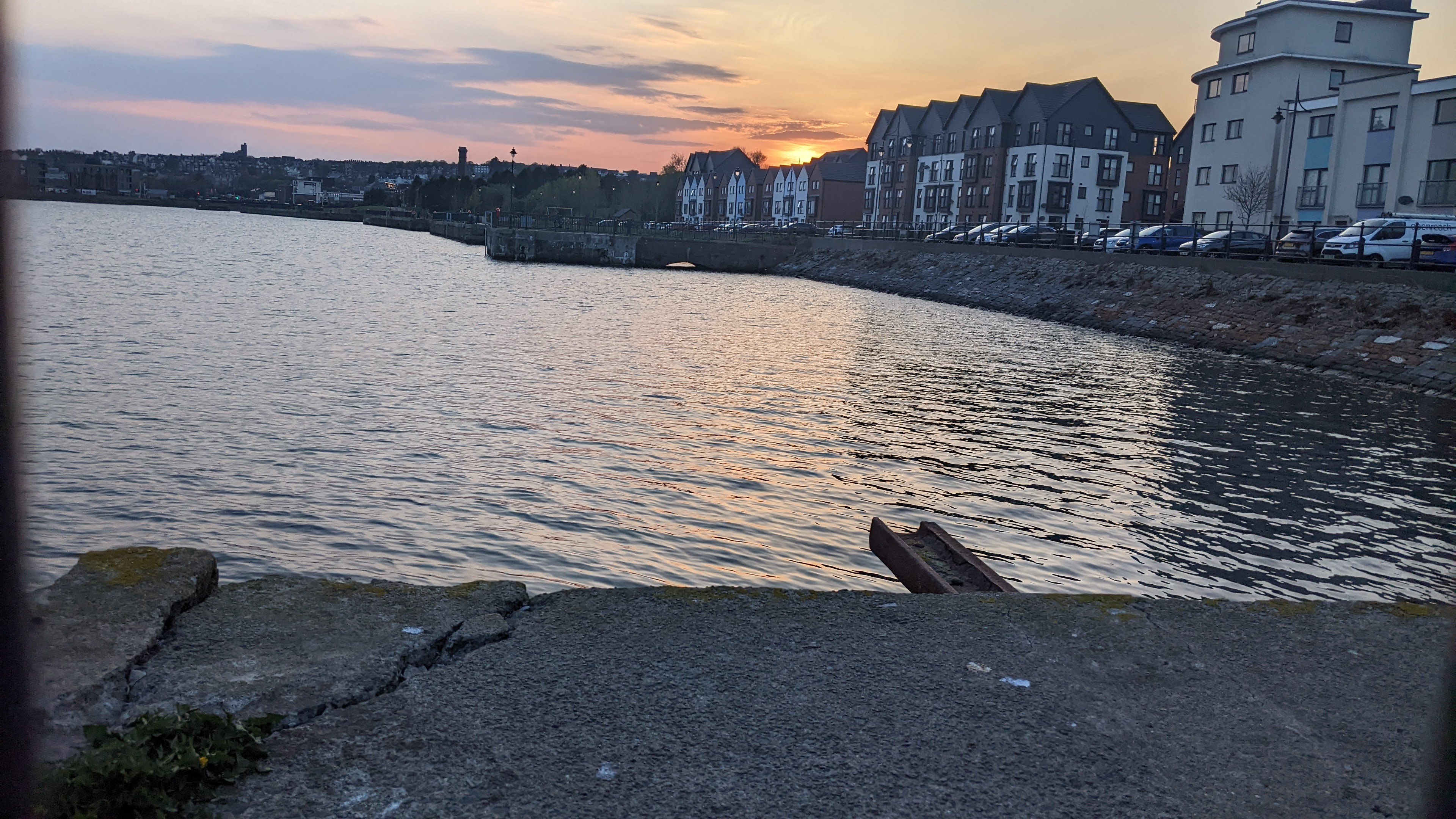
Ultralight fishing is one of the most rewarding and technical forms of modern angling, combining finesse, sensitivity, and skill into a single approach that works across both freshwater and saltwater environments. Whether you are targeting small river fish in clear water, or coastal species around rocky structure and harbour walls, ultralight fishing strips everything back to presentation and control rather than brute strength.
Unlike traditional fishing methods that rely on heavier tackle to dominate larger fish, ultralight fishing focuses on matching lightweight gear to the environment and species. This creates a more immersive experience where every movement, vibration, and bite is transmitted directly through the rod, making even small fish feel like a real challenge.
What Is Ultralight Fishing?
Ultralight fishing is an angling style that uses very light rods, reels, lines, and lures to target predominantly small to medium-sized fish in a highly controlled and sensitive way.
At its core, ultralight fishing is built around the idea that fishing becomes more engaging when the tackle is scaled down. Instead of overpowering fish, you work with them, reading their behaviour and responding through subtle adjustments in lure presentation and retrieve speed.
This approach is effective in a wide range of environments, including rivers, canals, lakes, estuaries, harbours, and rocky coastal zones. It is not restricted to one type of water, which is part of what makes it so popular with modern anglers.
Key characteristics include:
- Extremely light rod and reel setups
- Thin diameter braid or monofilament lines
- Small, realistic lures or natural baits
- High sensitivity to detect subtle bites
- A focus on technique over strength
The result is a highly interactive style of fishing where success depends more on skill and understanding than on heavy gear.
The Philosophy Behind Ultralight Fishing
Ultralight fishing is not just a gear choice — it is a mindset shift in how you approach angling.
Instead of trying to control fish through power, you aim to understand them. The lighter the tackle, the more feedback you receive from the environment. This allows you to detect subtle changes in current, structure, and fish activity that would otherwise go unnoticed with heavier equipment.
This philosophy revolves around several core principles:
- Matching your tackle precisely to conditions and species
- Prioritising lure movement and natural presentation
- Reading structure such as weed beds, rocks, and drop-offs
- Learning fish behaviour patterns in real time
- Accepting that smaller fish still provide significant sport
Because of this, ultralight fishing often attracts anglers who enjoy technical fishing styles where observation and adaptation are key.
A Brief History of Ultralight Fishing
Ultralight fishing developed gradually as anglers began to realise that downsizing tackle often produced better results, especially in pressured waters where fish had become cautious of larger rigs and heavy presentations.
In freshwater fishing, early forms of ultralight techniques came from trout and coarse fishing anglers who began using lighter lines and smaller lures to improve sensitivity and increase bite rates. Over time, this evolved into a more defined style focused on finesse fishing for species such as perch, chub, and roach.
In saltwater environments, a similar evolution occurred with the rise of Light Rock Fishing (LRF). This style became particularly popular in Japan before spreading across Europe and the UK. Anglers began targeting coastal species using micro soft plastics and lightweight metal lures, often fishing tight to structure such as rocks, harbour walls, and piers.
Today, ultralight fishing is widely recognised as a versatile global style that bridges both freshwater and saltwater disciplines.
Freshwater Ultralight Fishing

Freshwater ultralight fishing is typically carried out in environments where fish are either pressured, small, or highly reactive to subtle presentations. These include rivers, canals, stillwaters, and urban fishing spots.
In these environments, fish often respond better to smaller, more natural presentations due to high fishing pressure or clear water conditions. Ultralight setups allow anglers to present baits and lures in a way that appears far less intrusive.
Common freshwater target species include perch, chub, roach, dace, trout, and smaller pike. These species are ideal for ultralight setups because they are aggressive enough to take small lures but still require finesse to consistently catch.
Techniques commonly used include micro soft plastics, small spinners, ultra-light jig heads, and natural bait presentations such as maggots or worms. Each technique relies heavily on subtle movement and controlled retrieves rather than aggressive action.
Saltwater Ultralight Fishing (LRF Style)

Saltwater ultralight fishing, commonly known as Light Rock Fishing (LRF), applies the same principles of finesse but in a coastal environment where conditions are more dynamic.
This style is typically practised around rock marks, harbours, estuaries, piers, and breakwaters. These environments provide structure that holds a wide range of species and allows anglers to target fish in very tight, technical situations.
The species encountered in saltwater ultralight fishing are often more varied than freshwater environments. Wrasse, pollock, bass, gobies, blennies, and seasonal mackerel are all common targets, each responding differently depending on tide, light levels, and water movement.
Techniques in saltwater ultralight fishing often involve soft plastic lures, micro jig heads, small metal lures, and drop shot rigs. Natural bait can also be extremely effective, especially ragworm or small strips of squid presented on light hooks.
Because tidal movement plays a major role, saltwater ultralight fishing often requires constant adaptation and reading of conditions.
Ultralight Fishing Gear Explained
Ultralight fishing relies heavily on balance between rod, reel, line, and lure. If any part of the setup is too heavy or mismatched, the entire system loses sensitivity and effectiveness.
Rods are typically short to medium length, often between 5ft and 8ft, with light or ultralight casting ratings. A fast or extra-fast action is usually preferred because it allows anglers to feel even the smallest bites and maintain control over lightweight lures.
Reels are generally compact spinning reels in the 1000 to 2500 size range. Smooth drag systems are essential, as even small fish can put surprising pressure on light setups.
Lines are usually thin braided lines for maximum sensitivity, often paired with fluorocarbon leaders to improve stealth and abrasion resistance when fishing around structure.
Lures and baits remain small, typically ranging from 1g to 10g depending on conditions. The emphasis is always on realistic movement and natural presentation rather than size or flash.
Explore Gear, Tackle and Lures
Core Ultralight Fishing Techniques
Ultralight fishing uses a range of techniques that all focus on precision and subtlety rather than power.
Lure fishing with micro lures involves casting small soft plastics or metals and retrieving them in a way that mimics injured or fleeing prey. Even small changes in retrieve speed can trigger bites.
Drop shot fishing allows bait or soft plastics to be suspended off the bottom, creating a natural hovering presentation that is especially effective for perch and wrasse.
Jigging involves lifting and dropping lures to create an erratic motion that triggers reaction strikes from predatory fish.
Slow retrieve fishing is often underestimated but extremely effective in pressured waters where fish are cautious and selective.
Ultralight float fishing combines traditional bait presentation with modern finesse principles, allowing for highly controlled depth and drift.
Best Target Species
Freshwater ultralight fishing commonly targets perch, chub, trout, roach, and dace, all of which respond well to small, natural presentations and aggressive or subtle lure work depending on conditions.
In saltwater environments, wrasse, pollock, bass, gobies, and mackerel are among the most common targets. These species vary widely in behaviour, making ultralight fishing both unpredictable and highly engaging.
One of the most appealing aspects of ultralight fishing is that even small fish feel powerful on light tackle, creating a sense of sport that is often missing from heavier setups.
Advantages of Ultralight Fishing
Ultralight fishing offers several major advantages that make it appealing to both beginners and experienced anglers.
It provides extremely high sensitivity, allowing anglers to feel even the smallest bites or changes in lure movement. It is also highly versatile, working across multiple environments and conditions.
The cost of entry is generally lower than heavier fishing styles, and the gear is compact and easy to transport. More importantly, it teaches core angling skills such as reading water, understanding fish behaviour, and mastering lure control.
Common Beginner Mistakes
Many beginners make similar mistakes when starting ultralight fishing. One of the most common is using line that is too heavy, which reduces sensitivity and negatively affects lure performance.
Oversized lures are another frequent issue, as they reduce bite rates and break the finesse approach that ultralight fishing depends on.
Incorrect drag settings can also lead to lost fish or broken lines, while fishing too quickly often reduces effectiveness in pressured environments.
Finally, ignoring structure is a major mistake. Fish in both freshwater and saltwater environments often hold close to cover, and understanding this is essential for consistent results.
FAQ
Is ultralight fishing only for small fish?
No. While it is designed for smaller species, larger fish will still take ultralight setups. However, proper drag control and technique are essential.
Can beginners start with ultralight fishing?
Yes. It is one of the best ways to learn fishing fundamentals such as bite detection, lure control, and fish behaviour.
Is ultralight fishing the same as LRF?
LRF is the saltwater version of ultralight fishing, focusing on coastal structure and species.
Can You Use Ultralight Gear in the Sea? (Complete UK Guide)
Do I need expensive gear to start?
No. Well-balanced budget setups work very effectively in ultralight fishing.
Ultralight Fishing Budget Gear Guide
What is the best environment to start ultralight fishing?
Canals, small rivers, harbours, and calm lakes are ideal starting points.
What lure size should I use?
Most ultralight fishing is done with lures between 1g and 10g, depending on conditions and species.
How to Get Started with Ultralight Fishing
The best way to start ultralight fishing is to keep things simple and focus on learning the basics of sensitivity and presentation.
Begin with a balanced rod and reel setup, spool with light braid, and add a fluorocarbon leader. Start fishing small, productive locations such as canals or harbours, and use simple lures like soft plastics or small spinners.
Most importantly, focus on learning how fish respond to different retrieves and how structure affects where fish are holding.
Final Thoughts
Ultralight fishing is a highly technical and rewarding form of angling that prioritises skill, observation, and finesse over power.
Whether fishing freshwater or saltwater environments, it offers a unique way to experience fishing that is both accessible for beginners and deeply satisfying for experienced anglers.
If your goal is to improve your fishing ability, explore new environments, and enjoy a more connected style of angling, ultralight fishing is one of the best disciplines to learn.