Can You Use Ultralight Fishing Gear in Freshwater?
Ultralight fishing gear works extremely well in freshwater. It covering huge areas or forcing bites. It’s a close-range method built around control, sensitivity, and fishing small areas properly.
Most of the time it “doesn’t work”, it’s not the gear. It’s how it’s being used. Rush it, fish too fast, or treat it like heavier lure fishing and it will feel inconsistent.
Slow things down and stay connected, and it becomes one of the most reliable ways to catch fish in freshwater.
When ultralight fishing works in freshwater
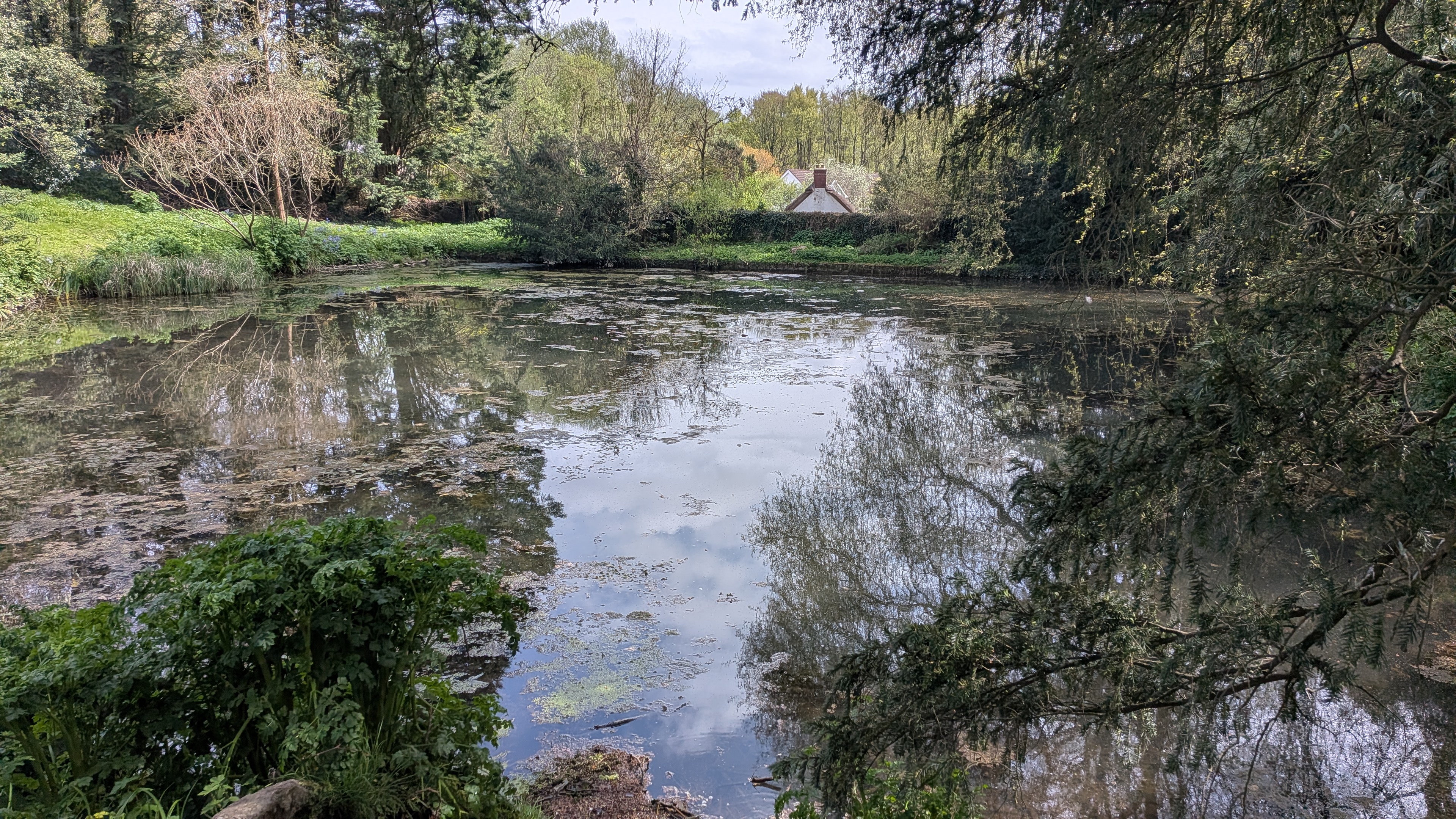
Ultralight fishing works best in smaller, controlled environments where fish hold in predictable areas. Canals, small rivers, ponds, and stillwaters all fit this.
Fish relate to margins, cover, depth changes, and structure, which means you’re not searching blindly or covering water for the sake of it.
You’re working specific spots where fish are already likely to be, and that’s where this method makes sense. It’s built around precision and presentation, not distance and coverage.
Why it feels inconsistent for most people
Ultralight fishing often feels inconsistent because it gets rushed. People fish too quickly, move too often, or expect constant action without adjusting their approach.
Bites get missed, feedback gets ignored, and the method feels unreliable. It’s not the gear failing, it’s the approach not matching it.
Ultralight fishing is not designed for speed. It’s designed for control. Slow down, stay focused on small areas, and consistency starts to build.
What you can actually catch with it
Ultralight freshwater fishing in the UK covers a wide range of species, including perch, trout, roach, rudd, chub, small pike, and even carp in the right situations.
These fish often hold close to features and feed within short range, which lines up exactly with how ultralight fishing works.
You’re not forcing fish to come to you or covering water to find them. You’re fishing where they already are, and that alignment is what makes the method effective.
Freshwater vs sea ultralight fishing
Freshwater ultralight fishing is generally more controlled. Conditions are stable, water movement is limited, and fish behaviour is easier to predict, which makes it easier to stay consistent and build confidence.
Sea ultralight fishing introduces more variables through tides, wind, and moving water, but the core method remains the same. Freshwater is usually the easier place to learn and refine the approach, not because it’s better, but because it demands fewer adjustments.
The real answer to the question
Most people asking whether ultralight fishing works in freshwater are really asking if it’s worth using. The honest answer is yes and in many situations, it’s one of the most effective methods available.
It’s not about replacing other types of fishing. It’s about giving you a more precise way to approach smaller areas where fish are already present and willing to feed.
What it actually feels like when it works
When ultralight fishing works in freshwater, everything feels clear and connected. You know what your lure is doing, you understand where you are in the water, and bites register cleanly instead of feeling vague or delayed.
Even small fish feel deliberate. You start noticing subtle details, light taps, small changes in tension, how fish react.
That’s when it stops feeling like light gear and starts feeling like a proper method.
Is Ultralight Freshwater Fishing Worth It in the UK?
Ultralight freshwater fishing is absolutely worth using, especially for beginners or anyone trying to improve consistency.
It simplifies the process, keeps you focused on what matters, and gives direct feedback on what’s happening in the water. Used properly, it’s not just effective, it’s one of the most engaging and repeatable ways to fish.
FAQ: Ultralight Freshwater Fishing UK
Can you catch big fish on ultralight gear
Yes, but it depends on the situation. Larger fish can be landed with control and patience, but they’re not the primary target.
What is ultralight fishing best for?
Targeting smaller species and fishing tight or pressured areas where finesse and subtle presentation make a difference.
Is ultralight fishing good for beginners?
Yes. It simplifies the approach and gives clear feedback, which helps you learn faster.
What line should I use for ultralight freshwater fishing?
Light braid between 4lb and 6lb with a fluorocarbon leader.
Final Thoughts
Ultralight fishing in freshwater works when you stop trying to force it. It’s not about speed or covering water, it’s about slowing down, focusing on small areas, and fishing them properly.
Stay within that approach and it doesn’t feel limited. It feels controlled, consistent, and repeatable. That’s the difference. It’s not just light gear. It’s a method.