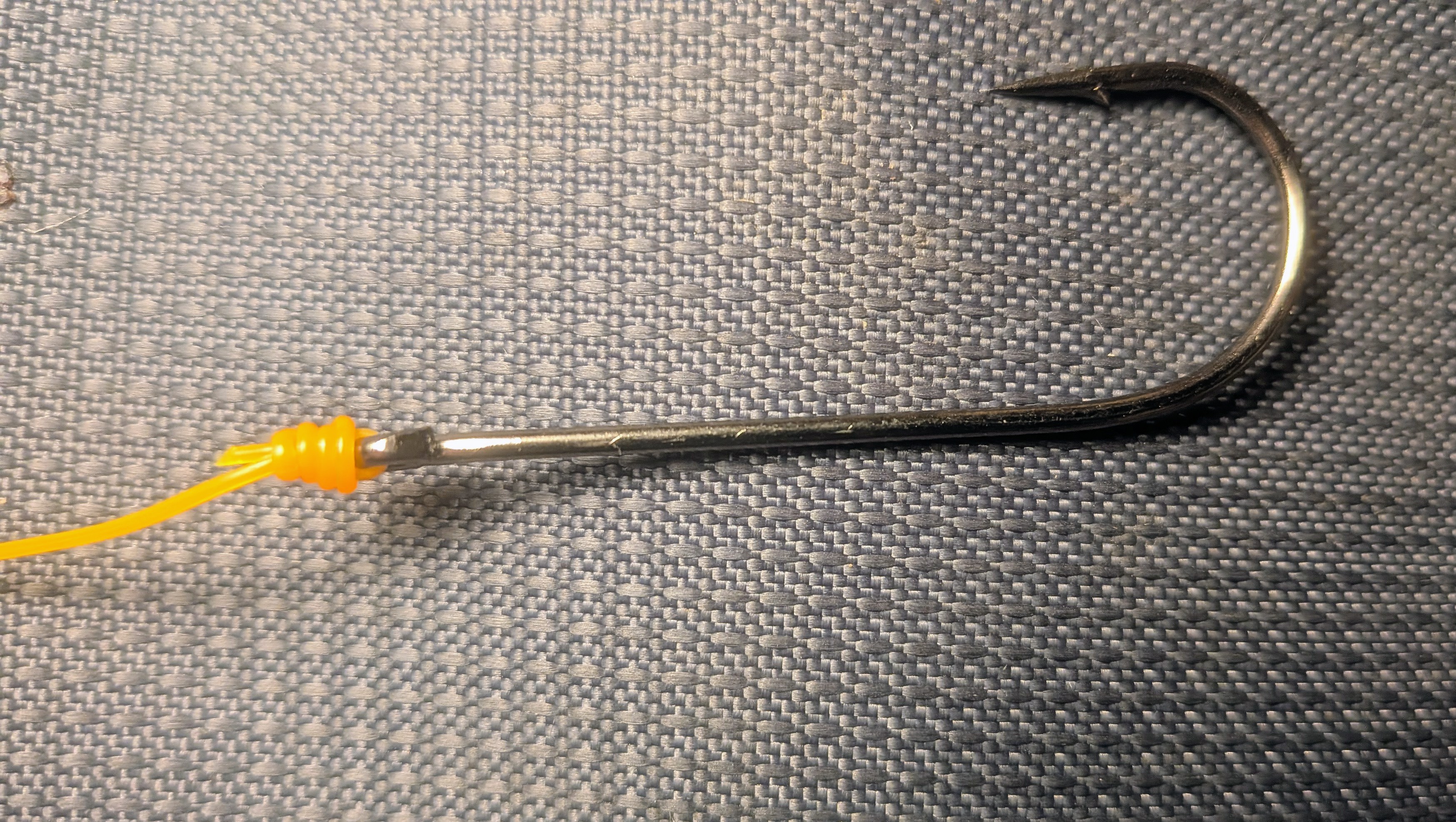
Uni Knot Guide for Fishing: Simple Knot That Just Holds
What the Uni Knot Is and How It Works
“The Uni Knot is considered the best all round fishing knot. It’s a simple knot used to tie line to hooks, swivels, and other terminal tackle. It works by wrapping the tag end around the main line and tightening it into a compact coil.
It is popular because it is quick to tie, holds well in real fishing conditions, and works with mono, fluorocarbon, and braid when tied correctly.”
Why the Uni Knot Matters
Most anglers don’t stick with knots because they’re clever. They stick with them because they don’t fail when it matters. The Uni Knot is one of those knots. It has been around for years because it works, and you can keep trusting it time and time again.
It is the kind of knot you end up tying so often it becomes automatic. Hook change, swivel change, quick rig adjustment, the uni knot does it all. After a while you are not really thinking about it, you just tie it and move on. That is where it earns its place.
For ultralight fishing especially, it fits the way you actually fish. Fine line, small hooks, constant small adjustments. Nothing fancy, just a knot that behaves the same way every time you tie it.
Personally I see the Uni Knot as “the” standard fishing knot and it’s a personal favourite of mine.
What the Uni Knot Is Used for in Fishing
The Uni Knot is mainly used for tying fishing line to hooks, swivels, and other bits of terminal tackle.
It is a general purpose knot that covers most everyday fishing situations, which is why it shows up so often.
In real fishing, it becomes a default knot. Not because it is the most technical option or the strongest on paper, but because it is quick to tie, easy to repeat, and dependable once it is set.
How the Uni Knot Locks and Holds on the Line
The Uni Knot works by using simple friction wraps to lock the line back onto itself.
You pass the line through the eye of the hook or swivel, or whatever you are tying, bring it back alongside the standing line, then wrap the tag end around both strands. When you tighten it, those wraps compress evenly and grip the line.
There is nothing complicated about it. It is just controlled pressure spread across multiple coils instead of one single pinch point.
If it is tied properly, it tightens down into a clean, compact coil that sits neatly against the hook eye or swivel and holds steady under load.
Why Anglers Still Trust the Uni Knot Today
Fishing rarely gives you ideal conditions.
You are tying knots in wind, cold fingers, low light, or just trying to get back in the water as quickly as possible. The Uni Knot does all of that because it is simple enough to tie without needing perfect conditions to do so.
It also has a bit of forgiveness built in. You do not need absolute perfection for it to work well. As long as the wraps are reasonably neat and you do not rush the final tighten, it will behave consistently.
That is the real reason it has stuck around and is not going away any time soon. Not because it is clever, but because it is reliable, simple, and a knot you can have confidence in.
How to Tie the Uni Knot Step by Step (Visual Guide)
This is the practical tying section. Follow each step in order and keep the wraps neat and controlled. Each stage builds the knot gradually, so don’t rush it.
Step 1 Form a Loop Through the Hook Eye
Pass your line through the eye of the hook or swivel and pull enough through to work with comfortably. Bring it back alongside the main line to form a loose loop.
At this stage, nothing should be tight. You are just setting the structure.
(Image of you forming a loop in line)
Uni Knot Step 1 – Form the loop
Step 2 Wrap the Tag End Around Both Lines
Take the tag end and start wrapping it around both the standing line and the loop you have formed.
Keep the wraps controlled and neat. Around five to seven turns is ideal for most mono or fluorocarbon setups. With braid, you can go slightly higher if needed for extra grip.
Uni Knot Step 2 – Start the wraps
Step 3 Feed the Tag End Back Through the Loop
Once the wraps are complete, take the tag end and pass it back through the original loop near the hook eye.
Make sure it goes through cleanly without twisting or doubling back on itself.
(Image of tag end passing through loop)
Uni Knot Step 3 – Complete the wraps
Step 4 Tighten the Knot Slowly and Evenly
Wet the line first to reduce friction.
Then slowly pull the standing line and tag end together. The wraps should begin to coil neatly down towards the hook eye.
Let the knot seat itself properly rather than forcing it tight in one movement.
(Image of knot tightening evenly)
Uni Knot Step 4 – Tighten the knot
Step 5 Set the Knot and Trim the Tag End
Give the knot a firm final pull to fully seat it against the hook eye or swivel.
Check the wraps are even and tight, then trim the tag end, leaving a small margin for security.
(Image of finished Uni Knot secured against hook eye)
Uni Knot Step 5 – Set and trim
Using the Uni Knot With Braided Fishing Line
Yes, you can use the Uni Knot with braid and it works well when tied correctly.
Braid behaves differently to mono or fluorocarbon because it is smoother and more slippery. That means it needs more grip to hold properly.
The way to handle that is simple. Increase the number of wraps. Around seven to ten wraps usually works well depending on line thickness.
Those extra turns give the knot more surface contact, which helps it lock in place properly under pressure.
Tightening should still be done slowly and evenly. Wetting the line helps everything seat properly without friction damage during tightening.
It works well for lighter braid setups and general fishing situations. For heavier, high stress setups, some anglers prefer more specialised knots, but for everyday fishing it is more than capable when tied properly.
Common Uni Knot Mistakes That Cause Failure
Most issues with the Uni Knot come from small mistakes rather than the knot itself.
Uneven wraps are one of the most common problems. If the coils cross or stack unevenly, the knot will not seat as cleanly.
Not using enough wraps on smoother lines like fluorocarbon or braid can also lead to slipping.
Rushing the tightening stage is another big one. Pulling too fast without wetting the line can create friction heat and weaken the line.
None of these are complicated issues, but they make a real difference to how the knot performs.
Final Thoughts on the Uni Knot for Fishing
The Uni Knot stays popular because it works in the conditions that actually matter.
It is not trying to be clever or technical. It is just a simple, repeatable way of securing your hook or swivel to your line that holds when it needs to.
Once you tie it enough times, it becomes automatic. You do not really think through the steps anymore. You just tie it, snug it down, and carry on fishing.
For ultralight fishing and general setups, that consistency is what matters most. A knot that behaves the same every time is worth more than anything that only works when everything is perfect.